




Its Kale in Ioannina is the southeastern citadel of Ioannina Castle and one of the most historically significant places in the city. Behind its fortified entrance are the remains of Ali Pasha’s palace, the Byzantine Museum, Fethiye Mosque, Ali Pasha’s tomb, the Treasury and a small church dedicated to Agioi Anargyroi.
Unlike the wider castle neighbourhood, Its Kale feels like a defined archaeological and cultural complex. Open spaces, excavated foundations and surviving buildings reveal different phases of Ioannina’s history within a relatively compact area.
It is also more relaxed than many archaeological sites. Visitors can explore the monuments, visit the museum and then stop at the café inside the citadel for coffee, breakfast, lunch or dinner.
This detailed guide explains what to see in Its Kale, how its buildings are connected and how much time to allow.
Its Kale at a Glance
The essential information for exploring Ioannina’s inner citadel, from the Byzantine Museum and Ali Pasha’s tomb to the historic café inside the archaeological site.
Its Kale is the castle’s southeastern citadel. It combines Byzantine fortifications, the remains of Ali Pasha’s palace, an Ottoman mosque, museum collections and surviving palace buildings within one compact archaeological area.
The outdoor citadel is normally free to explore. The Byzantine Museum complex currently charges separate admission and is usually closed on Tuesdays.
The collection covers the Early Christian, Byzantine and post-Byzantine history of Epirus through icons, sculpture, coins, ceramics and religious objects.
The mosque served Ali Pasha’s palace and now contains a historical exhibition. His tomb stands immediately beside it within a decorative metal enclosure.
The Treasury houses a collection of Epirotic silverwork. Beside it, a small vaulted space was later converted into the church of Agioi Anargyroi.
The palace itself no longer survives intact, but its foundations, service buildings and sections of the older fortifications remain visible throughout the citadel.
The café operates inside the citadel and is suitable for coffee, breakfast, lunch, dinner or an evening drink. Its opening hours are separate from those of the museum.
Visit the Byzantine Museum first, continue to the Treasury and Agioi Anargyroi, then see Fethiye Mosque and Ali Pasha’s tomb. Finish with coffee or a meal at Its Kale Café before exploring the rest of the castle.
What Is Its Kale in Ioannina?
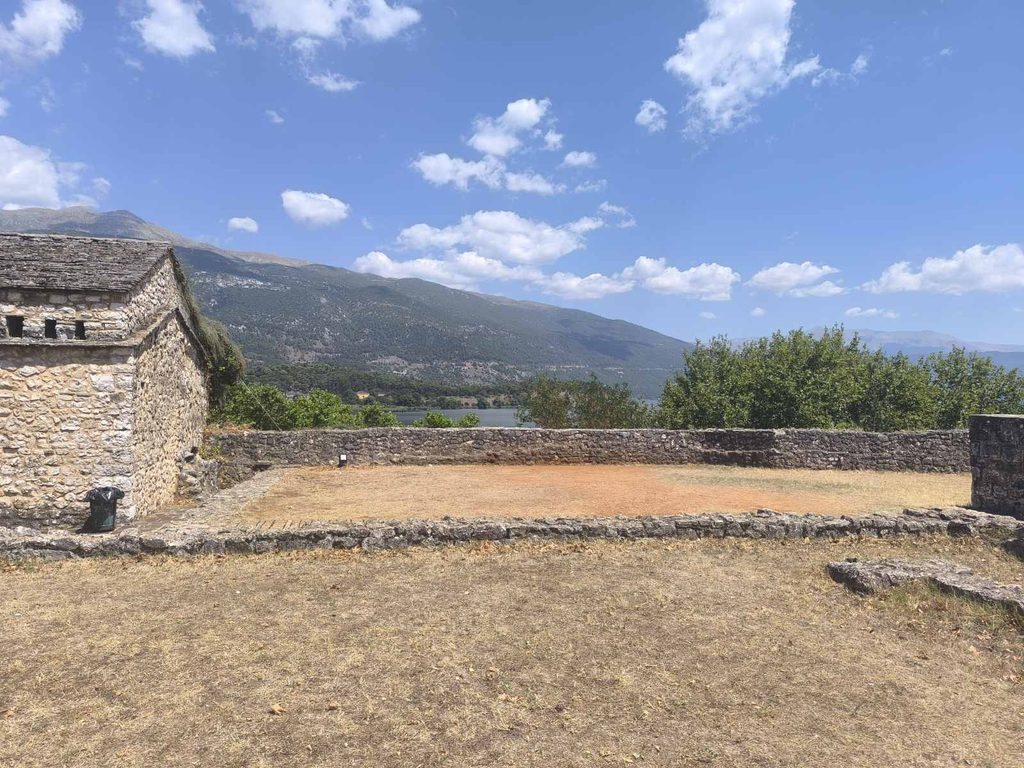
Its Kale means the inner castle. It forms a separate fortified enclosure within Ioannina Castle and covers the southeastern section of the wider castle town.
The citadel’s history reaches back to the Byzantine period. During the Middle Byzantine era, the site was associated with the city’s rulers and religious centre. Historical sources refer to the churches of the Taxiarches and Pantokrator, as well as residences belonging to Ioannina’s leading families.
The fortifications were reinforced after the Norman leader Bohemond captured Ioannina in 1082. A large circular structure within the citadel is still traditionally known as the Tower of Bohemond, although the area contains remains from several different construction phases.
During the period of the Despotate of Epirus, Its Kale continued to function as an elite political and religious district.
Its most dramatic transformation came under Ali Pasha, who converted the citadel into a heavily protected seat of power.
Its Kale and the Palace of Ali Pasha
Ali Pasha ruled Ioannina and a large semi-autonomous territory from the late 18th century until his death in 1822.
He rebuilt and strengthened Its Kale, incorporating earlier Byzantine fortifications into a self-contained inner fortress. At its centre stood his saray: a large, multi-storey palace described by European travellers and represented in historical engravings.
The complex included residential rooms, administrative spaces, kitchens, storage buildings, military facilities, baths and a mosque serving Ali Pasha’s court.
The palace did not survive intact. It was damaged after Ali Pasha’s fall and later destroyed by fire in 1870. Archaeological excavations have revealed foundations and sections of its layout, but visitors should not expect a preserved palace interior.
Its Kale is better understood as the surviving setting of Ali Pasha’s court. The mosque, tomb, Treasury, palace ruins and service buildings together show how the citadel functioned.
What to See in Its Kale
The Entrance and Fortifications
The entrance creates an immediate sense that Its Kale was designed as a fortress within a fortress.
Its walls follow parts of the earlier Byzantine defensive layout, although they were extensively reconstructed during the Ottoman period. Different masonry patterns reveal successive phases of repair, reinforcement and reuse.
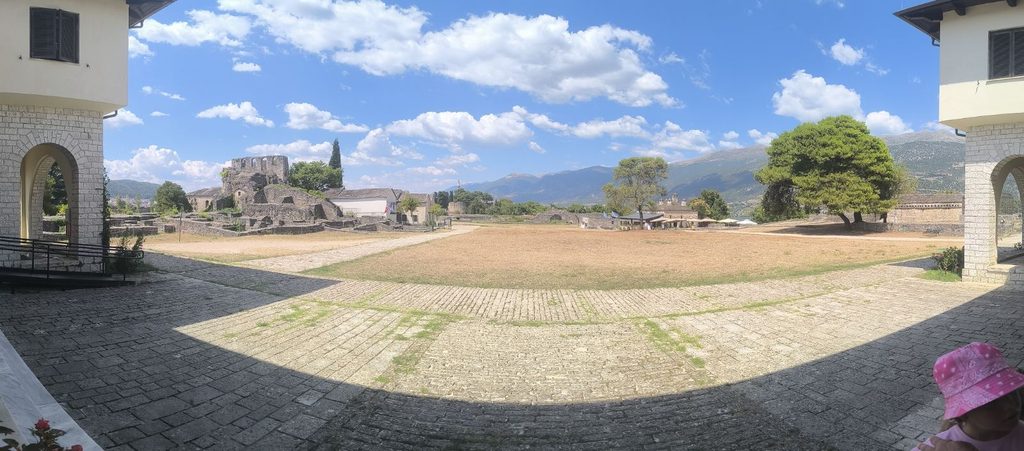
Once through the gate, the site opens into a relatively spacious archaeological park. The main monuments are distributed around the former palace grounds rather than arranged along a single street.
Take a few minutes to look back at the gate and walls before walking towards the museum. The relationship between the entrance, defensive towers and elevated citadel helps explain why Ali Pasha chose this location for his residence.
The Tower of Bohemond
Near the centre of the citadel are the remains traditionally associated with the Tower of Bohemond.
The circular Byzantine tower is linked by tradition to the Norman occupation of Ioannina in 1082. It was later incorporated into the palace complex of Ali Pasha, showing how successive rulers adapted rather than completely replaced the citadel’s older structures.
Only part of the tower survives, and it can be easy to overlook among the foundations of the palace. It is nevertheless one of the clearest reminders that Its Kale existed centuries before Ali Pasha.
The tower also helps visitors distinguish the site’s Byzantine defensive history from its later Ottoman identity.
The Byzantine Museum of Ioannina
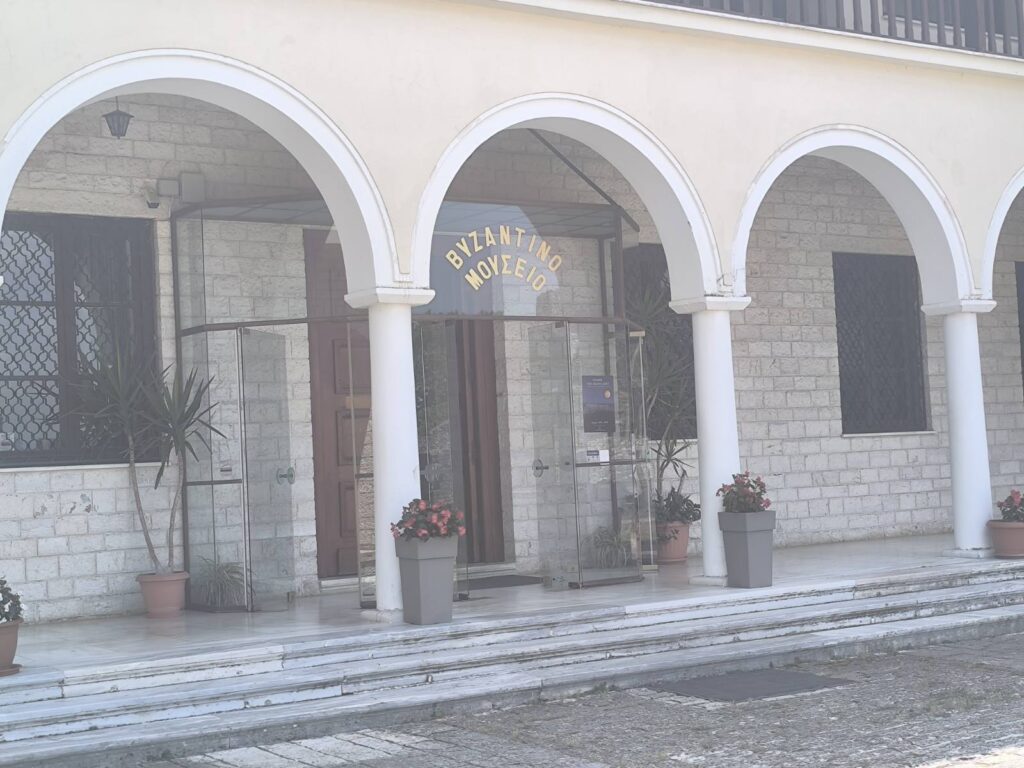
The Byzantine Museum is the principal indoor attraction at Its Kale.
It opened in 1995 and occupies the ground floor of a building constructed in 1958 as a royal pavilion. The building stands over part of the former palace of Ali Pasha, creating an unusual contrast between a modern museum structure and the archaeological remains beneath it.
Its collections present the history of Epirus from the Early Christian period through Byzantine and post-Byzantine times. Exhibits include architectural sculpture, icons, ceramics, coins, manuscripts and smaller archaeological objects from across the region.
One of the museum’s strengths is its geographical scope. It does not tell only the story of Ioannina but places the city within the religious, artistic and political development of Epirus.
Allow approximately 45 to 60 minutes for the main exhibition. Visitors with a particular interest in icons and Byzantine art may want longer.
Fethiye Mosque
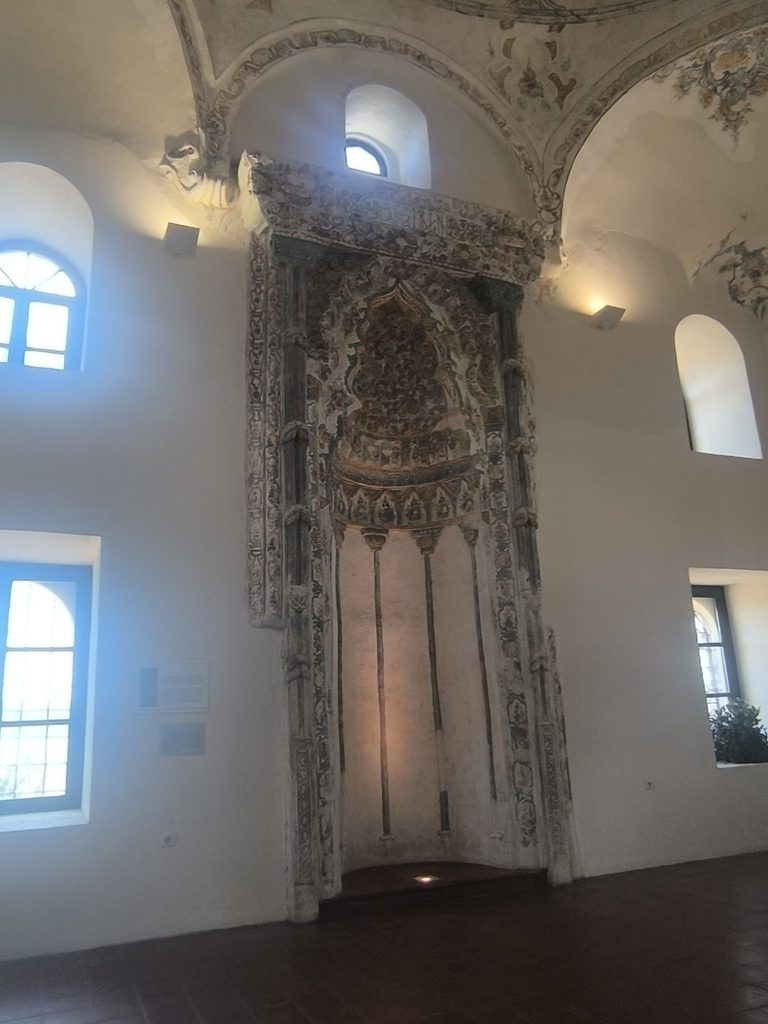
Fethiye Mosque stands opposite the Byzantine Museum on one of the highest points of Its Kale.
Its name means “Mosque of the Conquest.” A mosque existed in this part of the citadel during the Ottoman period, but the building took its present form in 1795 when it was remodelled to serve the religious needs of Ali Pasha’s palace.
The mosque consists of a central domed prayer hall, an open external gallery and a slender minaret. Its interior preserves non-figurative decoration, including floral and fruit motifs, geometric patterns and Arabic inscriptions.
Two late Byzantine marble elements were incorporated into the mihrab, the niche indicating the direction of prayer. These reused fragments are another visible example of the site’s layered religious history.
The mosque functions as part of the Byzantine Museum complex and contains an exhibition connected with Ioannina during the period of Ali Pasha. Interior access may depend on museum staffing and current conservation arrangements.
The Tomb of Ali Pasha
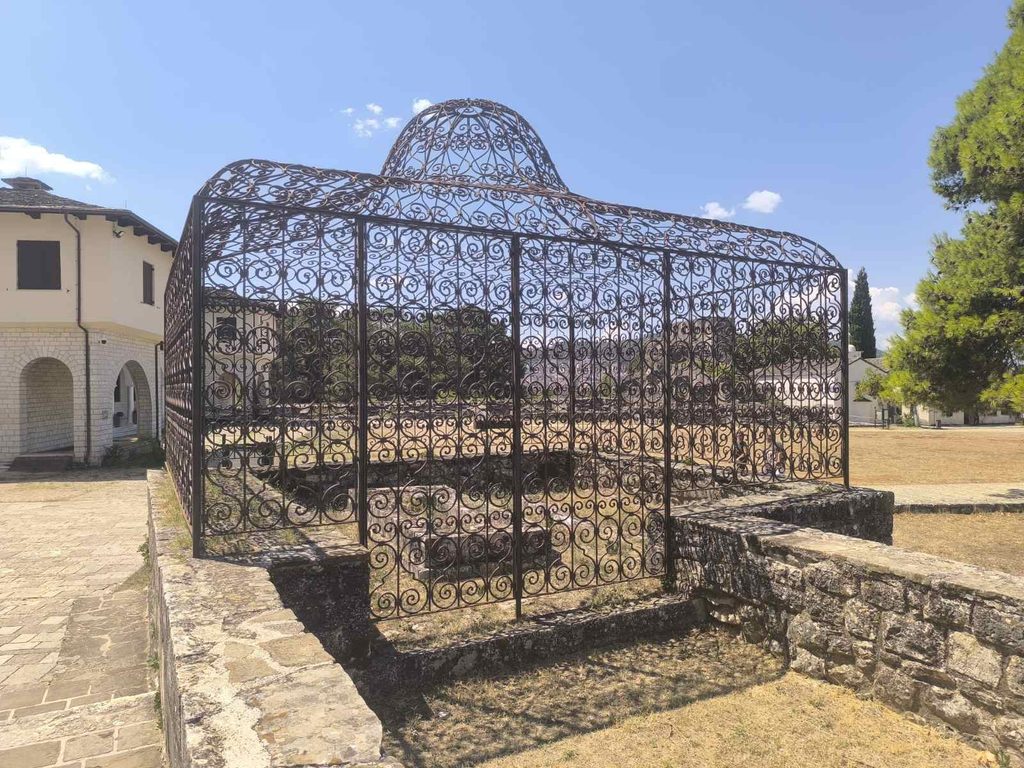
Ali Pasha’s tomb stands beside Fethiye Mosque and is one of the most photographed monuments in Its Kale.
The burial monument contains two graves, traditionally identified as those of Ali Pasha and one of his wives. A decorative metal enclosure surrounds them.
Ali Pasha was killed in 1822 at the Monastery of Saint Panteleimon on Ioannina Island. His body was brought back to the citadel and buried near the mosque, while his head was transported to Constantinople.
The iron railing seen today is a reconstruction of the original enclosure, which survived until 1940.
The tomb creates a direct historical link between Its Kale and Ioannina Island. Travellers interested in the complete story should visit the Ali Pasha Museum on the island after exploring the citadel.
The Treasury
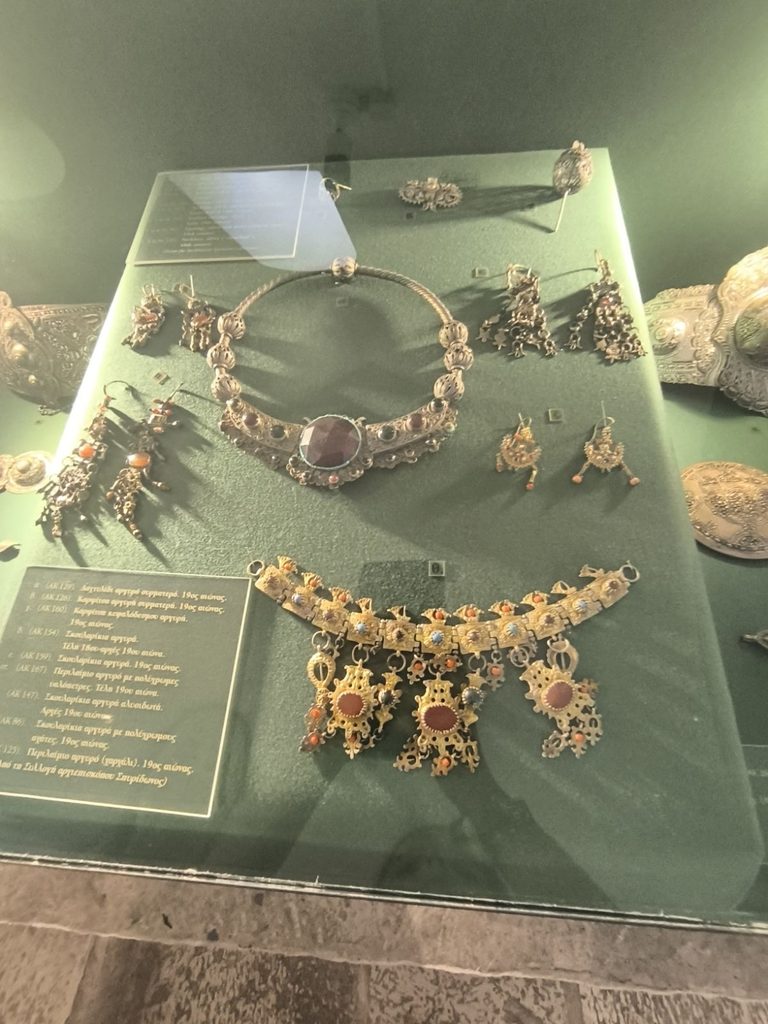
The Treasury is one of the most easily misunderstood buildings within Its Kale.
Its name comes from local oral tradition. There is no certainty that it originally stored Ali Pasha’s wealth or valuables. The building formed part of the western section of the palace complex, but its precise original function remains unclear.
Inside, a colonnade divides the rectangular structure into two long spaces. The building now houses a permanent exhibition of Epirotic silverwork and operates as a branch of the Byzantine Museum.
The collection includes secular and ecclesiastical silver objects, demonstrating the technical skill that made Ioannina an important centre of silversmithing.
Do not confuse the Treasury with the separate Silversmithing Museum elsewhere in Its Kale. The Treasury contains a smaller historical collection connected with the Byzantine Museum, while the Silversmithing Museum provides a much broader presentation of tools, techniques and local craftsmanship.
The Small Church of Agioi Anargyroi
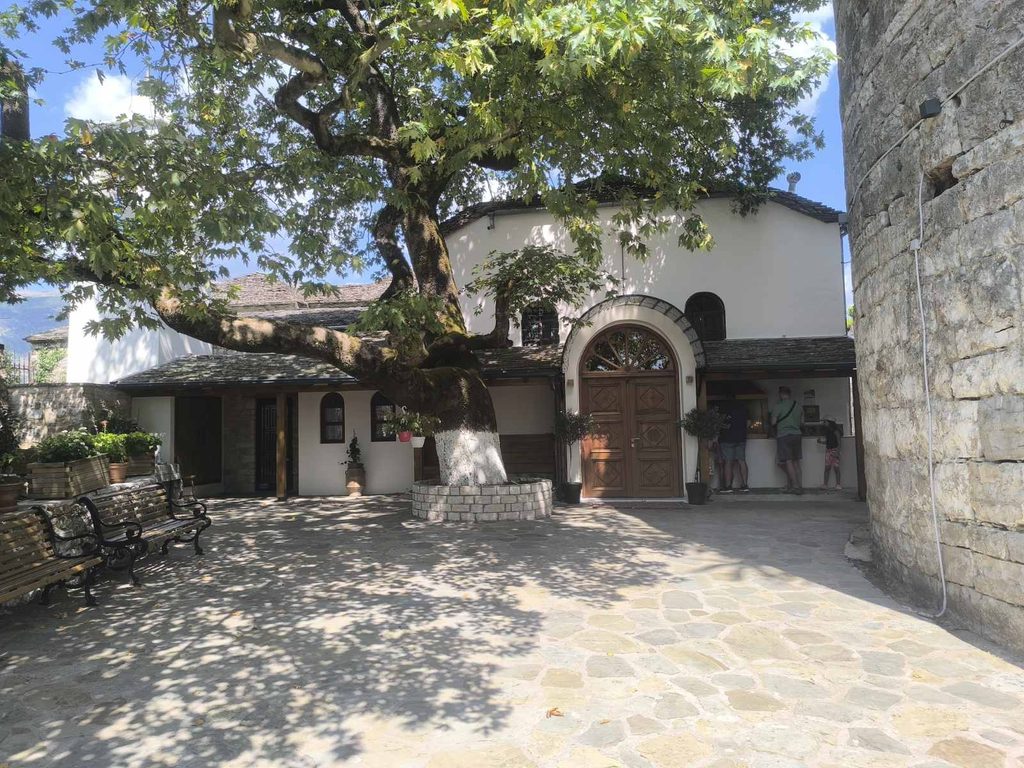
Beside the Treasury is a small vaulted building that was later converted into a church dedicated to Agioi Anargyroi, the Holy Unmercenaries.
The modest size of the church contrasts with the monumental mosque and former palace buildings around it. It also demonstrates how spaces within the citadel acquired new religious and practical functions after the fall of Ali Pasha.
The church and Treasury were once connected with the wider palace structure. Their survival provides a clearer sense of the scale and arrangement of the lost saray.
The church is not always open as an independent visitor attraction, but its exterior can be viewed while exploring the museum complex. Look for the small domed form immediately beside the larger Treasury building.
The Palace Ruins and Archaeological Remains
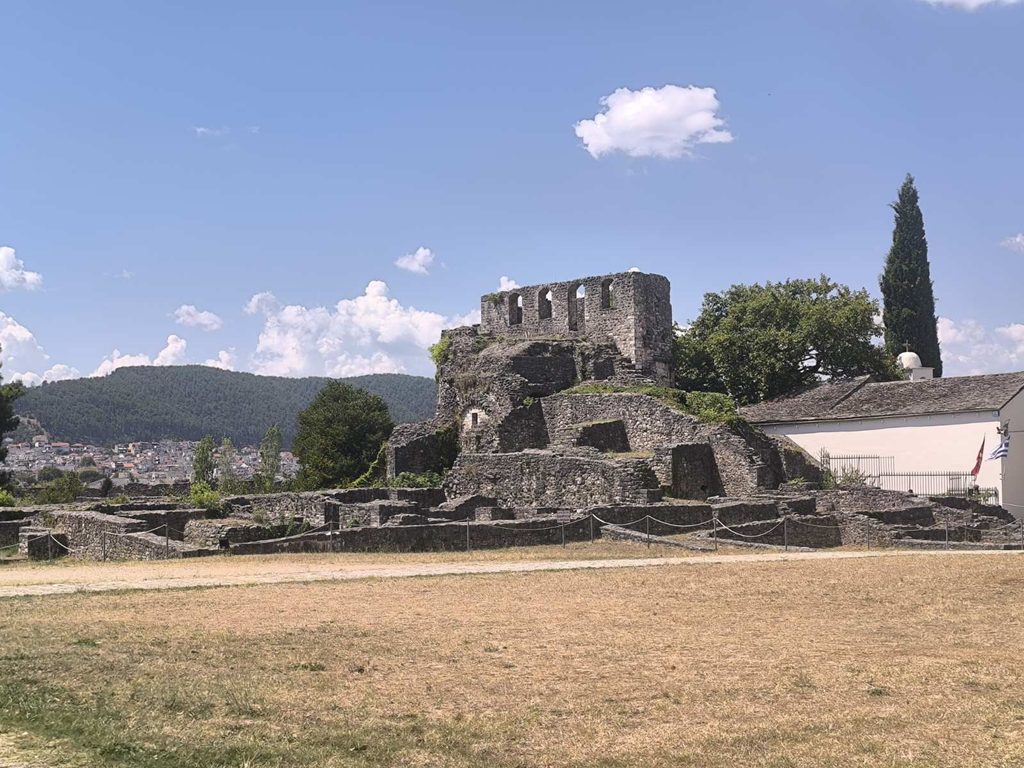
Much of Its Kale consists of foundations rather than complete buildings.
These remains mark sections of Ali Pasha’s palace, military facilities and service areas. They include the bases of buildings, sections of walls and traces of structures that once supported daily life inside the citadel.
A former gunpowder store survives near Fethiye Mosque and has been adapted for cultural or educational use. Other remains have been interpreted as barracks, storage rooms and parts of the palace’s residential wings.
Because the surviving foundations are low, the site requires some imagination. The palace cannot be reconstructed simply by looking at one ruin. It is the relationship between the mosque, Treasury, kitchens, towers and excavated walls that reveals its former scale.
Explore the rest of Ioannina Castle
Coffee, Breakfast, Lunch and Dinner at Its Kale Ioannina
One of the most useful features of the citadel is the café operating within its historic setting.
Its Kale Café is located in a building associated with the former palace kitchens, known as the Mageiria. Its position within the archaeological area allows visitors to stop without leaving the citadel.
In the morning, it works well for coffee, breakfast or brunch before visiting the museum. The menu has included local pies, egg dishes, pastries and other breakfast options.
During the day, it serves lunch, snacks and small plates. Depending on the current menu, visitors may find salads, traditional dishes, pies, meat dishes and plates suitable for sharing.
It also remains an option for dinner and evening drinks. Outdoor seating is particularly appealing in suitable weather, while the interior provides shelter during Ioannina’s colder or rainier months.
The café maintains its own timetable, separate from the Byzantine Museum. Published listings currently indicate operation from morning until late evening, but hours and menus may change.
A Suggested Route Through Its Kale
Enter through the main gate and begin by examining the fortifications and archaeological remains near the entrance.
Continue towards the Byzantine Museum and visit its main collection before moving to the Treasury and the adjoining church of Agioi Anargyroi.
Walk towards Fethiye Mosque and Ali Pasha’s tomb. This elevated area offers the clearest connection between the former palace, religious complex and views across the city.
On the return route, look for the remains of the Tower of Bohemond and the foundations of Ali Pasha’s palace.
Finish at Its Kale Café for coffee or a meal. If you visit during the morning, the café is convenient for breakfast before the museum. During a late-afternoon visit, it can turn the experience into dinner inside the castle.
How Long Do You Need at Its Kale?
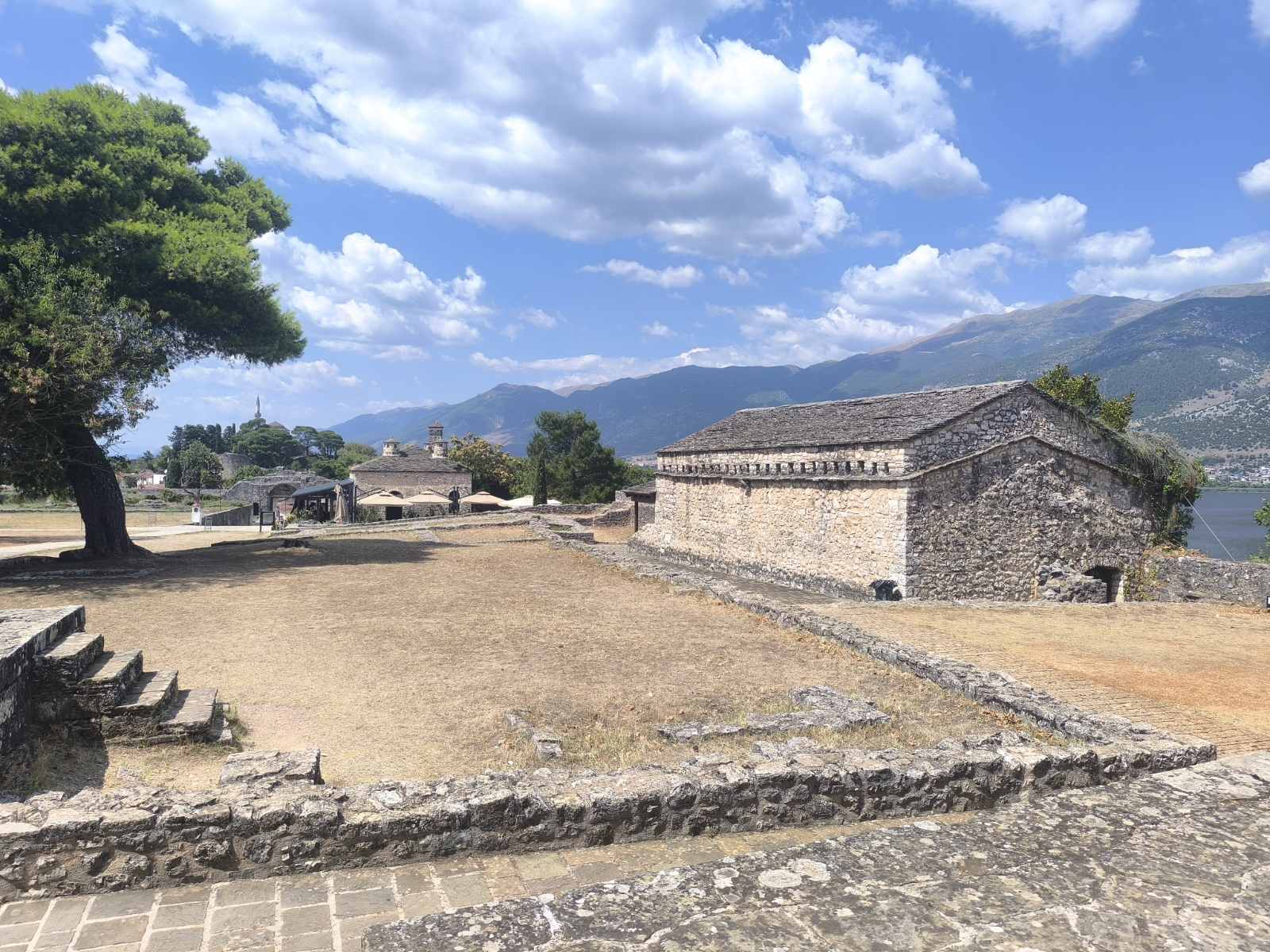
Allow approximately one hour if you only want to walk around the outdoor citadel and photograph the principal monuments.
A visit to the Byzantine Museum, Treasury and Fethiye Mosque increases the required time to around two hours.
Plan for two and a half to three hours if you want to examine the museum properly, explore the archaeological remains and stop for coffee or lunch.
Travellers combining Its Kale with the entire Ioannina Castle should allow at least half a day. The northeastern citadel, Aslan Pasha Mosque, Old Synagogue and residential streets lie outside Its Kale and should not be rushed into the same hour.
Opening Hours and Tickets
The outdoor spaces and café normally remain accessible independently of the museum exhibition areas.
As of 2026, the Byzantine Museum complex operates on a seasonal schedule:
- April to October: Generally open from morning until early evening
- November to March: Generally open from 08:30 until 15:30
- Tuesday: Closed
- Standard admission: €5 The ticket covers all 3 main attractions of Its Kale. You can buy it from the Byzantine Museum, so this will be your starting point.
- Last admission: Usually 20 minutes before closing
Current official sources show minor differences in the published summer opening time. Check the latest schedule before visiting, especially on public holidays.
Access to Fethiye Mosque, the Treasury and other exhibition spaces may depend on staffing, conservation work and the museum’s daily operation.
Best Time to Visit Its Kale
Morning is the most dependable time for visiting every available museum space.
Late afternoon offers softer light around Fethiye Mosque, Ali Pasha’s tomb and the open archaeological grounds. It is also a good time to stay for coffee, dinner or an evening drink at the café.
Summer afternoons can be warm because parts of the citadel are exposed. Spring and autumn are particularly comfortable for combining indoor and outdoor exploration.
Its Kale also works well on a winter visit. The Byzantine Museum and café provide indoor stops, although rain can make the stone and paved surfaces slippery.
Avoid Tuesday if entering the museum is a priority.
Accessibility and Families
The Byzantine Museum lists accessible facilities, and much of the central archaeological area is relatively open.
However, the complete citadel includes uneven paving, archaeological surfaces, occasional steps and changes in level. Travellers with reduced mobility should allow extra time and ask museum staff about the easiest route between buildings.
Families can explore Its Kale without committing to a long museum visit. The open space, fortress walls and palace remains offer variety, while the café provides a convenient break.
Children should be supervised around excavated areas, drops and uneven ground.
What to Combine with Its Kale
Its Kale should be combined first with the wider Ioannina Castle.
After leaving the citadel, explore the residential streets, Old Synagogue, Ottoman buildings and the northeastern citadel around Aslan Pasha Mosque.
You can then continue towards Lake Pamvotida. The boat departure point for Ioannina Island is close to the castle, making the island a logical second part of an Ali Pasha-themed day.
Another option is to finish with a walk along the lakefront before returning to Its Kale Café for dinner.
Travellers with only one day in Ioannina can visit the castle and Its Kale during the morning, take the boat to the island after lunch and return to the city centre for the evening.
Is Its Kale Worth Visiting?
Its Kale is essential for understanding Ioannina.
The citadel brings together Byzantine fortifications, the remains of Ali Pasha’s palace, an Ottoman mosque, his burial place, a Christian church and collections representing the artistic history of Epirus.
It is also an unusually pleasant archaeological site to explore. Visitors can move between museums and outdoor monuments without leaving the castle and then stop for coffee or a complete meal in the former palace setting.
Even if you have limited time, allow at least an hour for Its Kale in Ioannina. For a more complete visit, include the Byzantine Museum, Treasury and café and plan to spend most of a morning or afternoon inside the citadel.
Its Kale Ioannina FAQ
Practical answers about the Byzantine Museum, Ali Pasha’s palace, Fethiye Mosque, admission, opening days and eating inside the citadel.
01 What does Its Kale mean?
Its Kale comes from the Turkish term iç kale, meaning inner castle or inner citadel. It is the southeastern fortified enclosure within Ioannina Castle.
02 Is Its Kale free to visit?
The outdoor citadel and its archaeological grounds are normally free to explore. A ticket is required to enter the Byzantine Museum and the exhibition spaces belonging to the museum complex.
03 How long do you need at Its Kale?
Allow around one hour for the outdoor monuments. Two to three hours is more realistic if you want to visit the museum exhibitions, examine the palace remains and stop for coffee or a meal.
04 What can you see at Its Kale?
The principal sights include the Byzantine Museum, Fethiye Mosque, Ali Pasha’s tomb, the Treasury, the small church of Agioi Anargyroi, the Tower of Bohemond and the foundations of Ali Pasha’s palace.
05 Is Ali Pasha’s palace still standing?
No. Ali Pasha’s palace was damaged after his fall and later destroyed by fire. Archaeological foundations, service buildings and structures associated with the palace complex still survive.
06 Can you enter Fethiye Mosque?
Fethiye Mosque forms part of the Byzantine Museum complex and contains an exhibition connected with Ioannina during the period of Ali Pasha. Interior access may depend on staffing, conservation work and current museum arrangements.
07 Is the Treasury the same as the Silversmithing Museum?
No. The Treasury houses a smaller collection of Epirotic silverwork belonging to the Byzantine Museum. The Silversmithing Museum is a separate museum elsewhere within Its Kale.
08 Is there somewhere to eat at Its Kale?
Yes. Its Kale Café operates inside the citadel and is suitable for coffee, breakfast, lunch, dinner, snacks or an evening drink. Its timetable is separate from the museum’s opening hours.
09 Is Its Kale open on Tuesday?
The outdoor citadel and café may remain accessible, but the Byzantine Museum complex is normally closed on Tuesdays. Check the current schedule before travelling specifically for the museum.
10 Can you combine Its Kale with Ioannina Island?
Yes. Its Kale is close to the lakefront boat departure point, making it easy to visit the citadel and Ioannina Island on the same day. The two places are closely connected through the story of Ali Pasha.
Museum hours, admission fees and access to individual buildings can change seasonally. Check the current museum schedule before visiting, particularly on public holidays.

